
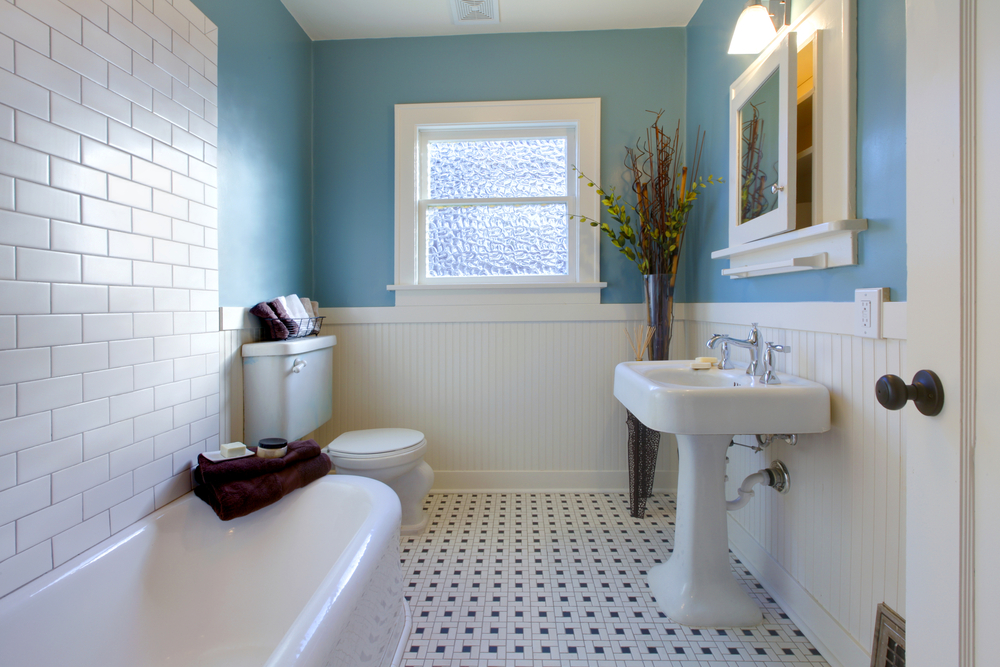
We’ve had a look at what flooring is best for kitchens and dining rooms already, but bathrooms can be a little more confusing. For bathrooms you need to keep the same considerations in mind as you do elsewhere in your home e.g. durability, attractiveness and comfort. The key difference to keep in mind when choosing bathroom flooring is moisture. It’ll come as no surprise to hear that water is prevalent in bathrooms – the wrong choice of floor can therefore be an expensive mistake to make.

Tile is traditionally used in bathrooms but can be cold underfoot (unless you’ve splashed out on underfloor heating) and slightly more slippery than alternatives. We’ve looked at the pros and cons of four different flooring options, to hopefully help you decide what flooring is best for you.
Vinyl


Vinyl is a popular choice in the bathroom, for several reasons: It is budget-friendly and can be said to be more affordable than ceramic tiles, floating wood tiles, carpet, hardwood, engineered wood, bamboo, cork and stone. It is low maintenance – all it needs is a regular sweep and the occasional mop – job done – and there are coatings available to protect it against stains and moisture marks, perfect.
A downside of vinyl tiles is prolonged water exposure leads to the tiles coming up and away from the floor, however choosing a top-quality sheet vinyl (rather than peel-and-stick tiles) will reduce seams where water can get under. A felt or foam backing makes vinyl softer than other flooring, which is helpful in bathrooms where slip-and-fall accidents are more common.
Related: 7 Amazing Bathrooms You Won’t Believe Have Vinyl Flooring
Laminate


Hardwood floors are not advised in areas where moisture levels are high as the boards can expand. You might be glad to know that laminate can withstand those dripping towels and over-the-bath spillages, it can even resist stains such as make-up and nail polish when you’ve got a little too excited getting ready for a night out. A good, reliable, all-round performer you might say.
Be careful though – laminate can withstand water, but not for too long. It is important to take the utmost care to prevent water seeping beneath the surface and lifting or damaging the floor. Never leave puddles standing for hours and if your kids have made a mess during bath time, make sure you clean it up straight away.
Laminate, alike vinyl, is low maintenance. Simply sweep or vacuum regularly to keep it free of dirt which can scratch the surface over time and be sure to watch out for any spaces or separation where water could penetrate.
Related: Laminate Flooring: A Beginner’s Guide
Rugs
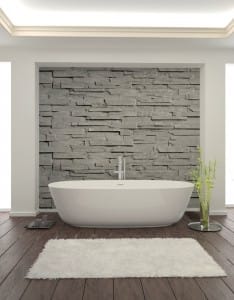

Many say that tiles belong in the bathroom and carpet belongs in the bedroom. This is correct in many senses. However, there are rug options available that are water resistant and might well prevent you from falling on slippery surfaces, providing the rug has a non-slip backing. However, rugs will need replacing after a while as you’re likely to get a build up of damp, mould and bed smells forming.
To keep your feet cosy, get a bath mat. This will not only save on the cost of replacing a carpet, but will keep your feet toasty when you get out of the bath or shower.
Related: Buying Carpet: A Beginner’s Guide
Solid Hardwood
As previously mentioned, solid hardwood is not the best flooring choice for bathrooms, or even close for that matter, but there are ways you can make hardwood work. It’s only a slightly better bathroom flooring choice than carpet, it looks beautiful and you can show it off to your friends but has too many drawbacks to be considered a cost efficient option.


Moisture kills solid hardwood, it will show water stains, swell, and eventually have to be replaced. If you decide to use it you need to ensure there are no gaps in between the boards where moisture can seep in, and ensure your bank balance is sufficient for repairs and replacements.
If you were considering installing solid hardwood in your bathroom, perhaps now you can make a more informed decision and choose a better alternative, but for more on Solid Hardwood and where it would be better placed in the house, please check out our many other guides.
Related: Solid Wood Flooring: A Beginner’s Guide
What flooring do you think is best for the bathroom? Let us know in the comments.