

When it comes to choosing the perfect flooring for your home, two popular contenders often top the list: laminate flooring and LVT (Luxury Vinyl Tile) flooring. Manufacturers vary however we choose the highest rated LVT and laminate suppliers. Both offer stunning visuals, excellent durability, and cost-effective alternatives to hardwood. But which one is right for your space? In this blog post, we’ll compare laminate and LVT flooring in terms of appearance, durability, water resistance, installation, maintenance, and cost—helping you make an informed decision.
1. Appearance & Realism
Laminate Flooring:
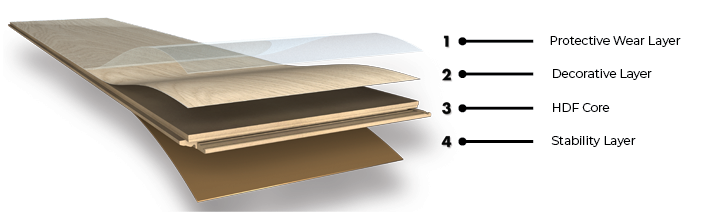
Laminate is designed using a high-resolution printed image layer that mimics the look of real wood or stone. Thanks to modern technology, laminate floors can closely resemble natural materials, offering realistic textures and embossed finishes.
LVT Flooring:
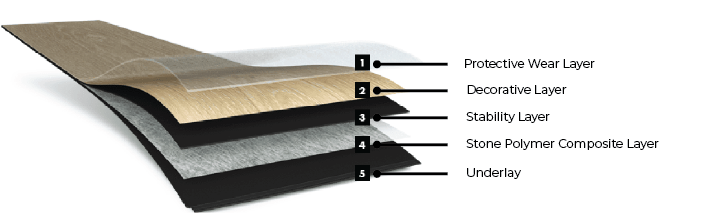
Luxury Vinyl Tile is also incredibly realistic, and often even more versatile. LVT is manufactured in layers, with a photographic layer that reproduces natural wood, stone, or ceramic looks—combined with a protective wear layer for added resilience.
✅ Verdict: Both options offer impressive visuals, but LVT has a slight edge in realism and variety, especially when it comes to replicating stone and tile.
2. Durability & Wear Resistance
Laminate Flooring:
Laminate is made from compressed fibreboard with a tough wear layer on top. It’s scratch-resistant and ideal for high-traffic areas but can be vulnerable to moisture over time.
LVT Flooring:
LVT is composed of multiple layers of PVC vinyl, making it highly durable and flexible. It resists dents, scratches, and heavy wear, making it suitable for homes with kids, pets, or heavy footfall.
✅ Verdict: LVT wins for overall durability—especially in busy households or commercial settings.
3. Water Resistance
Laminate Flooring:
Traditional laminate is not waterproof. While newer water-resistant laminate options exist, prolonged exposure to water can still cause warping or swelling.
LVT Flooring:
LVT is fully waterproof, making it ideal for kitchens, bathrooms, and basements. Its water-resistant core and sealed surface prevent moisture from seeping in.
✅ Verdict: LVT is the superior choice for water resistance and moisture-prone areas.
4. Installation
Laminate Flooring:
Laminate typically uses a click-lock system for a floating floor installation—easy enough for DIYers with basic tools.
LVT Flooring:
LVT comes in glue-down and click-lock or drop-click formats. The glue-down type may require professional installation, while click-lock versions are DIY-friendly.
✅ Verdict: Laminate is easier to install overall, but click-lock LVT is a strong alternative for DIY installations.
5. Maintenance & Cleaning
Laminate Flooring:
Requires dry sweeping or vacuuming and light damp mopping. Excess water should be avoided to prevent swelling.
LVT Flooring:
LVT is easy to clean and waterproof, allowing for wet mopping and tougher scrubbing if needed.
✅ Verdict: LVT is lower-maintenance and more forgiving when it comes to spills and stains.
6. Cost Comparison
Laminate Flooring:
Generally more affordable than LVT, especially for larger spaces. It’s a budget-friendly option with great aesthetics.
LVT Flooring:
Slightly more expensive due to its waterproof features and enhanced durability—but still less costly than hardwood or stone.
✅ Verdict: Laminate is more budget-friendly, but LVT offers better long-term value in wet or high-traffic areas.
Which ever option you choose, we have a the biggest choice of laminate and LVT flooring in the UK.


