
How to Calculate Flooring Wastage
No matter how good you or your fitting might be at the intricate and ancient art of laying flooring, there’s an important factor that folks often forget to include with their order…
Wastage.
It’s important to remember that all flooring of all types has a waste factor. For carpets and vinyl this could be to do with the roll width or the shape of the room. Or it could even be due to a hatchet job cutting the carpet for unusual room shapes.
For engineered wooden floors, there will be waste due to a number of factors. The condition of the material, the installation process, and the experience level of the fitter can all be a factor. Wastage can also be a result of personal preference, but we’ll have a little more on that later. All manufacturers and retailers recommend that a percentage of wastage is added to a total to make sure there is enough flooring to finish the job.

A 5 to 7% percent addition to your order is usually more than enough. When ordering from us we helpfully remind you to add 5% wastage when calculating how many packs you’ll need. It’s better to order too much now, rather than running short and having to pay and wait for the next batch to arrive to finish the job. Especially if you’re paying for a fitter.
Here’s a few reasons why wastage is essential.
Condition of Material
Wood is a natural product, so naturally, there’s a greater chance of imperfections. They could be the degree of knots, sapwood, grain, or even the colour variation. The percentage of waste will depend on the grading of the wood. Over on our website, we have two types, BCD Rustic Grade and AB Prime Grade. A Rustic Grade floor will have more knots, filler, and imperfections, but also looks more like authentic, real wood.
Prime Grade is the highest quality type of floor we provide. It’s slight colour variation and low knot content makes it a gorgeous, even floor that’ll require very little wastage, outside of a little extra for mistakes and accidental damage.
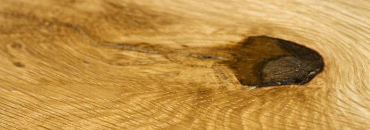
Rustic Grade
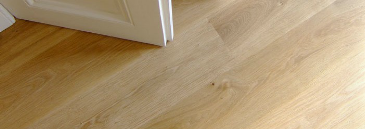
Prime Grade

Comments are closed here.