Author

Paula

18/05/2020

What Is an AC Rating For Laminate

Laminate and Vinyl come with an AC rating which indicates how much traffic, stains, impact etc they can withstand. To receive an AC rating they must pass a series of tests. So when you know beforehand if it will stand up to your lifestyle. At Discount Flooring Depot we only sell floors with a rating of AC3 or higher. This ensured that any floor you buy from us with be able to withstand average household use.  What Is an AC Rating? The thickness or the length of the warranty offered... Read More

28/02/2019

Colourful motifs and abstract patterns

Mediterranean tiles Colourful motifs and abstract patterns… Inspired by traditional Moroccan tiles our laminate Mediterranean collection makes a practical flooring option. The influence of Morocco’s position in North Africa, boarding the Mediterranean Sea and the Atlantic Ocean, is prevalent through its local art and design. With cobalt and saffron being reminiscent of the of the oceans and sweeping deserts. While the epic mountain ranges and ancient medinas have inspired travellers for centuries. Originating in Morocco in the 10th century the original tiles were in subdued hues of white and grey.... Read More

16/10/2018
, ,

Wood Floors Vs Vitrified Tiles

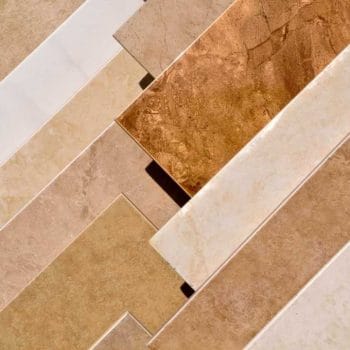
Engineered wood floors (and to some extent solid wood floors) respond well to underfloor heating and are comparatively much easier to maintain compared to vitrified tiles. This makes wood floors the ideal choice for indoor use. Vitrified tiles are difficult to remove and possess hard-wearing all-weather characteristics suitable for outdoor use (e.g. patios). What is a Vitrified Tile? Unlike standard ceramic flooring, vitrified tiles contain quartz and feldspar. When heated in a kiln, quartz and feldspar melt together to form a glass-like glue that binds the clay tile together. This... Read More

01/10/2018

What Are Floating Wooden Floors?

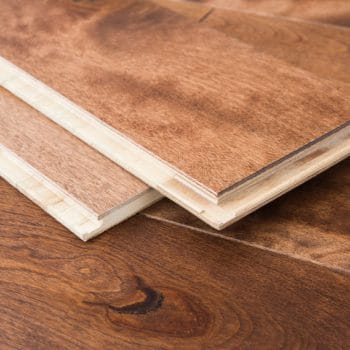
A floating wooden floor is one of three engineered wood floor installation solutions. Floating floors consist of interconnected tongue-and-groove planks placed on top of a concrete or wood subfloor. Unlike the alternative ‘glued’ or ‘nailed’ methods, the boards are not fixed to the floor, hence the name ‘floating wood floor’. Why Choose Floating Wooden Floors? Of the three engineered wood floor installation methods, the floating wooden floor method is commonly regarded by DIY enthusiasts as the simplest and most cost effective installation solution. Let’s take a look at the three... Read More

durable wood flooring 18/09/2018
, , ,

Which Wood Flooring is Most Durable?

In order to understand which type of wood flooring is most durable, we must consider two factors: The impact resistant properties of each wood species The difference between solid wood floors and engineered wood floors We will now look at each point individually, beginning with how hardness is tested. Understanding the Janka Hardness Test Wood floor ‘hardness’ is measured using the Janka Hardness Test. Simply, the test involves measuring the force required to embed a small steel ball in the wood (exactly half of the steel ball must be embedded... Read More

07/09/2018
, ,

How to Remove Water Stains from Wood Floors

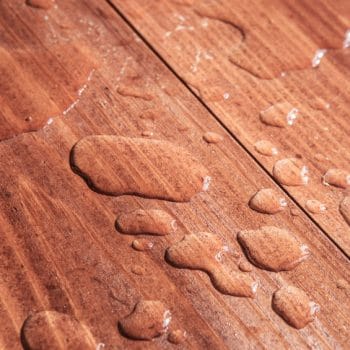
Wood floor stains are grouped into two categories: white and black. In general, white stains affect the surface finish and black stains penetrate into the wood. Understanding the difference between white stains and black stains is the first step in deciding the most suitable method of how to remove water stains from wood floors. Types of Water Stains: White Stains The term ‘white stain’ is used to describe surface discolouration that only affects the wood floor finish. Typically, this smoky type of water stain is found on newer wood floors... Read More

22/08/2018
,

How To Make Wood Floors Less Slippery

Popular methods of making wood floors less slippery include cleaning the floor regularly and applying an anti-slip coating. Adding carpet runners to stairways and fixing heavy rugs in place with carpet tape or non-slip rug pads can also help to prevent accidental slippages. Further reduce the risk of slipping by choosing rubber soled footwear. Less Slippery Wood Floors – Choice of Finish The lifespan of both engineered and hardwood floors can be extended by up to ten times through careful maintenance – including applying a finish. The three most popular... Read More

03/07/2018
,

Can Wood Floors Be Stained Darker?

Hardwood floors with a thickness of 8-10mm may be sanded and stained up to ten times. Each time, a darker or a lighter stain may be chosen. The surface layer of an engineered wood floor must meet a minimum thickness of 2mm for the process to achieve adequate results. Outcomes vary depending on the wood species, the grade or quality of the wood, and the age of the wood. The age of the selected stain is another factor that may contribute to the end result. Where a stain is many... Read More

20/06/2018

Can Wood Floors Be Laid Over Tile?

A solid concrete base is the ideal foundation on which to lay a wood floor. However, where tiling has been set into a concrete floor, work to remove the tiles could disrupt the concrete foundations. In this scenario, raised wood floors or glued wood floors may be laid over tile. Prep work should include leveling any raised tile edges. Laying Wood Floors Over Tiles – Prep Work Whether you are planning to lay a raised wood floor over tiles or whether you are planning to install a glued laminate wood... Read More

underfloor heating 25/04/2018
, ,

Can I Install Underfloor Heating Under Wood Floors?

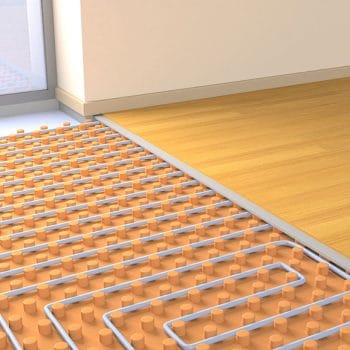
Underfloor heating systems are available for all types of wood floors. A suspended wood floor lends itself to water pipe underfloor heating, whereas a concrete base floor is suited to an electric heat mat. ‘Flexible’ engineered wood floors with a thickness of around 15mm-18mm deliver the best results. Underfloor Heating Installation – Initial Considerations When considering underfloor heating options, major consideration should be given to newly laid concrete foundations. New foundations are typically laid with a thickness of around 75mm. On average, this thickness of concrete requires a settling period... Read More